

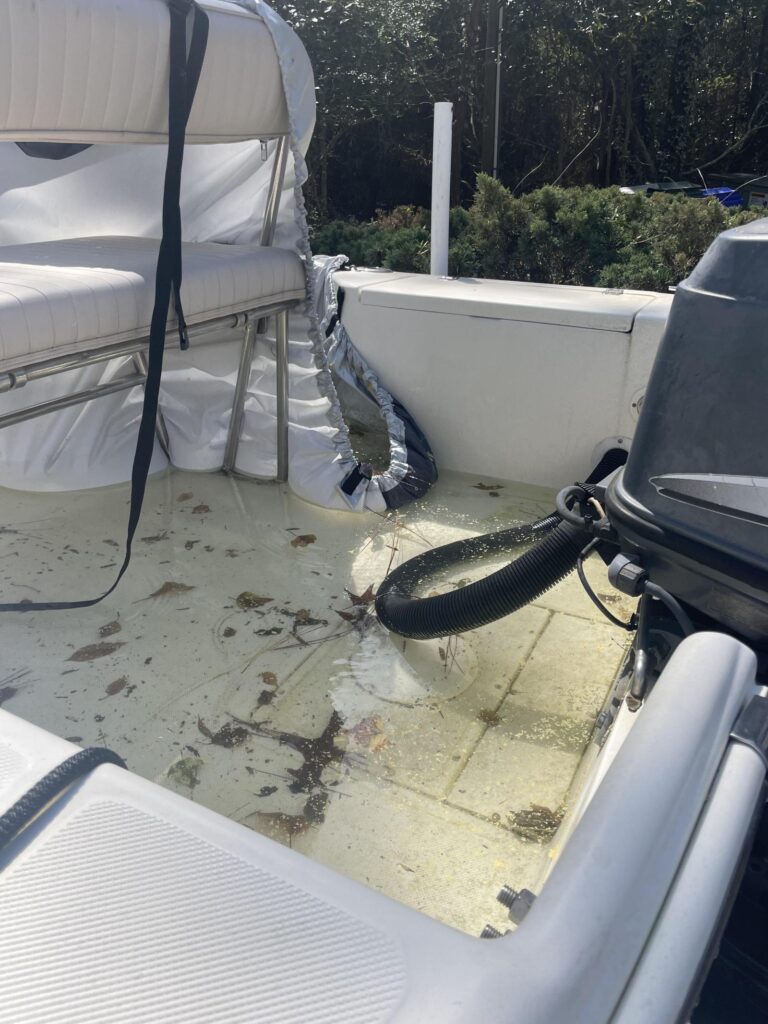
You show up to your boat after a storm… and the cover is sagging with water.
Sometimes it’s inches deep. Sometimes it’s already made its way inside.
This is one of the most common problems boat owners run into—especially with custom covers that look tight but still allow water to pool.
The problem isn’t just keeping rain out. It’s what happens when water has nowhere to go.
How to Stop Water Pooling in a Boat Cover
- Tighten and angle the cover so water sheds off
- Add proper support (poles or frame)
- Remove standing water quickly
- Use a pump if the boat sits unattended
Why does water always pool in boat covers?
Water pooling usually comes down to lack of support or poor pitch. Even a tight, custom cover can sag over time—especially under heavy rain.
Once water starts collecting, the added weight pulls the cover down further, making the problem worse with each storm.
What kind of things have you seen happen to bolts that are left uncovered?
I’ve seen boats that are 6 months old look very weathered within 3 to 4 months of being outside uncovered. Typically you’ll see the fiberglass start to haze up and oxidize which requires full wet sanding and polishing to bring back the beautiful shine. In addition to the fiberglass damage you’ll start to notice your vinyl drying out and notice the early signs of vinyl discoloration.
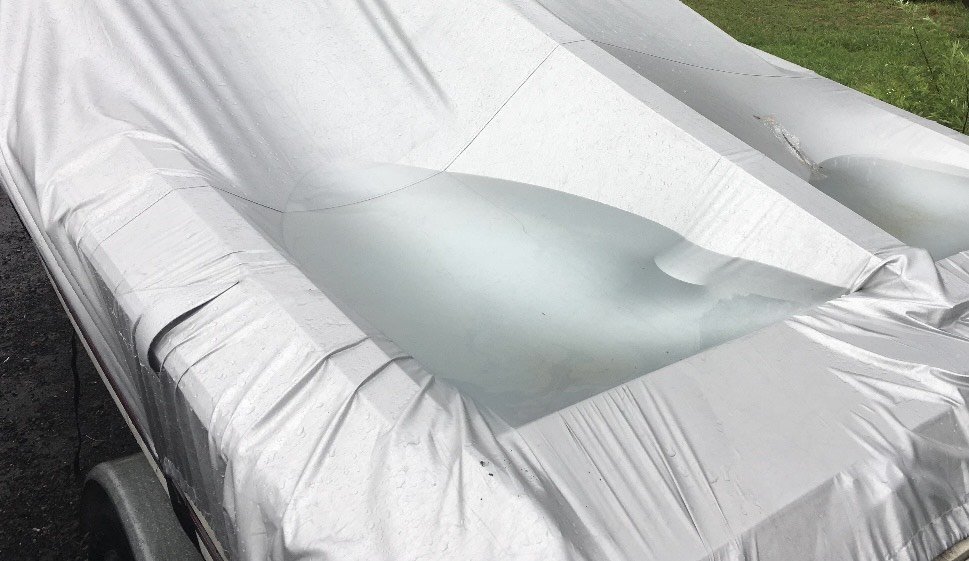
Why Does My Boat Cover Still Pool Water Even When It Fits Tight?
Even a tight, custom-fit boat cover can still pool water.
That’s because the issue isn’t just fit—it’s support and water flow. There are multiple ways to keep rain out of your boat cover. It’s a very common problem, and it can be frustrating for many boat owners. The first way to keep rainwater from pooling up in your cover is to use a boat cover support pole system that allows the center portion of the cover to be elevated, keeping rain off of the cover. The support poles come in various shapes and sizes as they are a universal solution that can be adapted to many covers. You’ll have to be sure to install the support poles every time the boat is covered, whether you’re going to be using the boat once a week or every day of the week.
Once water starts collecting, the weight pulls the cover down even more—making pooling worse with every storm.
How do you install these boat cover support poles?
The most common way to reduce pooling is using support poles to create a peak in the cover. This helps water run off instead of collecting in the middle.This puts the polls directly in the center of the boat, allowing the water to runoff the cover. To do this you’ll need to use the strap system to ensure that the support pole is lined up perfect and not on an angle or you’ll have more issues later on. Once the various straps are secured to your boats handles or railings, the support pole should remain upright. At this stage, you can delicately put the cover over the top of the support pole structure and secure the cover straps to keep the cover tight all around the boat from the back to the front.
This is a lot of work that sounds really complicated. Could the pole pierce my boat cover?
This is where support pole setups start to fall apart.
If you’re using a lower quality support pole product: yes, we’ve seen the plastic boat cover support poles break due to the heavy weight of the water that has accumulated due to incorrect installation. The sharp pieces of plastic can pierce the cover from the inside out, creating more of a problem.
If I install the support poles correctly, how long will this take me at the end of my boating day?
The time you need to set up the boat cover support pole system varies depending on your type of boat. For larger bow riders, you’ll need to position the support poles down the middle of the floor and then secure the straps to the surrounding handles to ensure that both of the polls stay upright and tied together. For smaller boats under 17’ you’ll need just one support pole towards the back of the boat. The smaller boats can be done in about 20 minutes. Larger boats will take 25 minutes or more to set up the support poles correctly and cover your boat. For many boat owners, this works—but it becomes a hassle over time, especially if you’re covering and uncovering the boat frequently or leaving it unattended during storms.
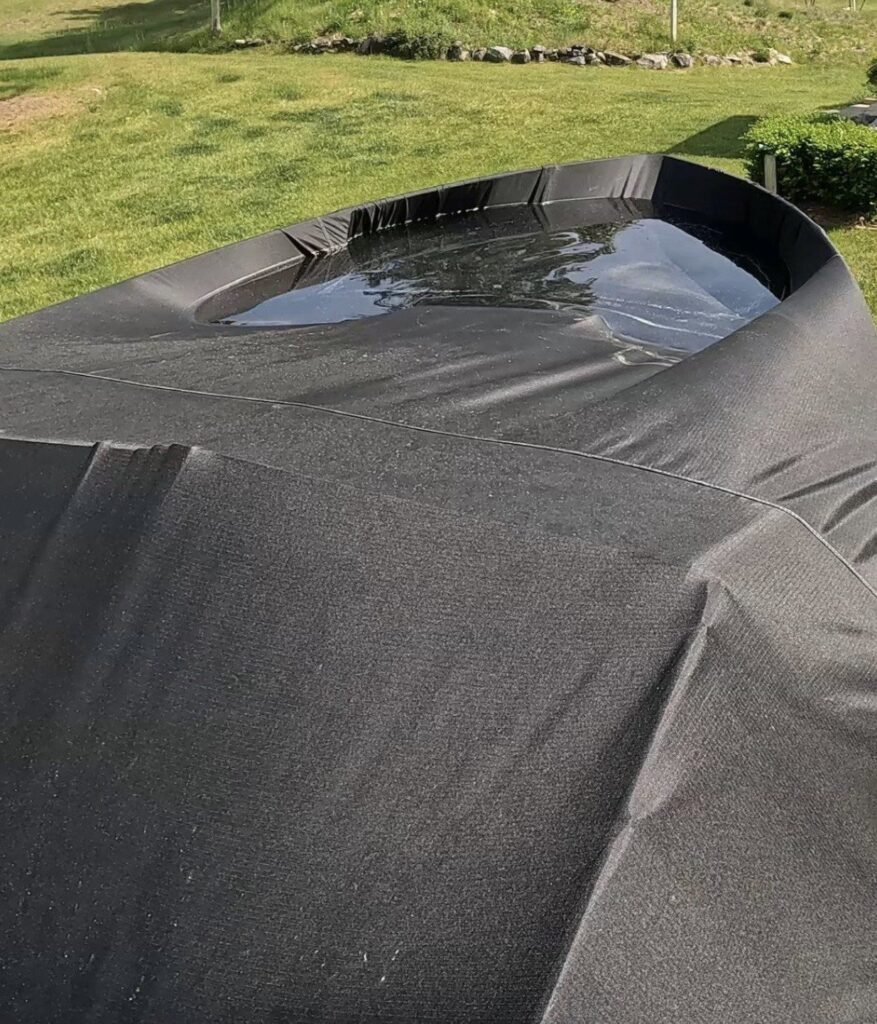
Some people build PVC frame systems under their boat cover to create structure. They can work—but they’re bulky, time-consuming to build, and not something most people want to deal with long term.
PVC pipe supports have been very common for people who keep their boat covered as they provide similar performance to the boat cover support poles. Typically the owner of the boat will buy the materials at their local home store to fabricate the PVC structure based on their size of boat. The PVC structures can vary in shapes sizes and weight, but the fabrication depends on the person building the PVC support structure. While these structures can work to keep water out of your boat cover, they do come with some downsides. Storage is one of those downsides as most boat owners keep their boat at a marina or on a trailer at a storage lot / marina and the PVC structure becomes a problem when you’re out using the boat.
Another downside is the cost and know how to fabricate these PVC structures. These structures are recommended for people that store their boat for months at a time or seasonally.
For many boat owners, storage and setup become bigger issues than the original problem.
People try all kinds of quick fixes—beach balls, pool noodles, anything to create a high point in the cover.
Boat owners have gotten very creative with ways to keep water out of their boat cover. Most boat owners don’t want to store their boat only to find 100 gallons of water waiting for them on them on the morning of a beautiful boat day. Keeping rainwater water in your cover can create all sorts of issues with mold and damage to your interior, including damage to your expensive windshield for your vessel. In my experience, using a large beach ball or pool noodle is not sufficient to keep water out of the cover as it does not lift the center of the cover high enough to offer any type of drainage off of the cover. In addition to not having the height needed to keep water off of the cover, you still have the issue of storing a very, very large beach ball that may or may not need to be deflated before stowage.
These setups might help a little—but they don’t actually solve the problem. New automatic water removal systems are designed to handle this without constant setup.
A boat cover pump is one of the only solutions that actually removes water instead of just trying to prevent it.

Instead of relying on perfect setup, it works whether you’re there or not. It automatically pumps water off the cover as it builds up—especially during heavy rain. For boats that sit at a dock, lift, or mooring—automatic systems are what prevent problems before they start.
The boat cover pump goes on top of your boat cover and automatically pumps the water out as it starts to accumulate. Some units have built-in solar charging to make this a 100% carefree operation. In our experience, the boat cover pump saves time when covering and uncovering your boat before and after use, making the automatic pump an easier option than setting up support poles.
Even with custom fit covers and proper boat cover support pole installation some boat owners have reported water pooling up and smaller nooks and crannies of the cover, especially in areas with heavy rain. The lightweight boat cover pump would excel in these areas ensuring no additional water is sitting on the cover.
What’s the main disadvantages of a boat cover pump?
The main limitation of a boat cover pump is power—most rely on sunlight to recharge. If you park your boat in a shaded area, the pump may not be able to charge effectively.
At the end of the day, water pooling isn’t just an inconvenience—it’s what leads to long-term damage.
There are a lot of ways to deal with it, but they all come down to one thing:
either you’re preventing water—or you’re removing it.
The best solution depends on how your boat is stored and how often you’re around…
but the goal is always the same:
At the end of the day, water pooling isn’t just an inconvenience—it’s what leads to long-term damage. There are a lot of ways to deal with it, but they all come down to one thing: either you’re preventing water—or you’re removing it.
Don’t let water sit.
If your boat sits unattended and you want a hands-off solution, take a look at how automatic systems like the Raintaker™ work.